Thinking about converting your garage? Learn how to plan, get consent, and protect your project with the Halo 10-Year Residential Guarantee.
With property prices on the rise and space at a premium, many New Zealand homeowners are turning to garage conversions as a smart, affordable way to create extra living space. Whether you’re dreaming of a home office, gym, guest suite, entertainment room or teen retreat, converting your garage can boost comfort and add serious value to your property – if it’s done right.
Kris MacGregor, of MyHome Renovations in Auckland, has five key tips to help homeowners plan a smooth and compliant garage renovation.
Why consider a garage conversion?
A well-planned garage to living space conversion can:
- Increase your home’s usable floor area without extending the footprint
- Improve resale value by adding a new habitable room
- Create flexible space for multigenerational living or working from home
A garage conversion isn’t just about lining the walls and putting in carpet – it’s a full building project with legal and safety requirements that must be met.
1. Start with the right consents
If you’re turning your garage into a bedroom, office or living room, it needs to be reclassified as a habitable space, which requires building consent from your local council.
This step ensures the space meets the New Zealand Building Code for warmth, safety and ventilation. Skipping consent could cost you far more later, especially when it’s time to sell or insure your home.
Talk to an NZCB Builder to confirm what consents your project needs.

2. Planning a kitchenette or laundry?
You generally don’t need a resource consent to just put in a laundry, but may require one for the kitchenette as the converted garage could become a secondary dwelling,” Kris says. You’ll need building consent to ensure you comply with your local council’s rules.
Before you invest in design or materials, it’s worth getting early guidance from an NZCB Member to confirm the right approach for your property.
3. Bring your garage up to code
Garages are built to different standards from living areas. To make them warm, dry and compliant, Kris says “It will need to be brought up to the applicable NZ Building Code for habitable spaces.
That usually includes:
- Installing insulation and building wrap
- Adding ventilation and natural light
- Damp-proofing the floor and walls
- Checking foundations and drainage
These upgrades not only meet code but make the space truly comfortable year-round.
Learn more about building standards and compliance in New Zealand.
4. Check the ceiling height before you commit
Ceiling height is one of the biggest deal-breakers for a garage conversion nationwide.
- Existing homes (built before 1947 regulations): minimum height 2.1m
- New homes: minimum height 2.4m
If your ceiling is too low, you may face a costly re-build or lowered floor to comply – something to confirm before you start.

5. Don’t forget about parking
Before removing your garage as a parking space, review your local council’s parking rules.
For example, under the Auckland Unitary Plan, your property must still have enough space to park a minimum of two cars off-street, Kris says. Losing your garage may mean you no longer comply.
If you live in a high-density area or share a driveway, consider options like a new carport or street-parking exemption before converting.
What you can DIY in a garage conversion
Many homeowners are keen to save costs by doing some of the work themselves – and that’s absolutely fine, as long as you understand where DIY ends and professional help begins.
You can usually DIY:
- Planning your layout and sketching ideas
- Painting, decorating, and finishing touches
- Installing shelving, wardrobes or storage
- Choosing and sourcing flooring or fixtures
- Small landscaping changes
DIY can be great for personalising your space, but anything that affects the structure, safety, or compliance of your home should always be handled by a licensed or certified builder.
It’s always best to consult a professional to determine whether a garage conversion is the best way to achieve your goals, while keeping the safety and the value of your home intact, Kris says.
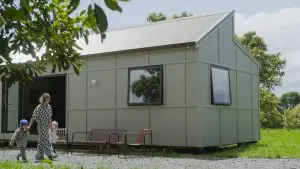
Protect your investment with the Halo 10-Year Residential Guarantee
When you build or renovate with a NZ Certified Builder, they can offer you the Halo 10-Year Residential Guarantee – giving you peace of mind long after the project is complete.
The Halo 10-Year Residential Guarantee covers:
- Workmanship and material defects
- Claim-related costs
- Structural defects
Halo ensures accountability and protection for homeowners. It’s one of the smartest steps you can take before starting any major renovation.
Learn more about how the Halo 10-Year Residential Guarantee protects your home investment.
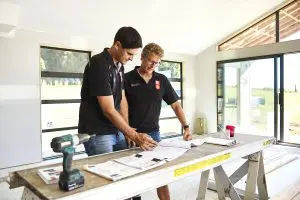
Get Expert Help Before You Begin
Once you’ve reviewed these steps, talk to a NZCB member to confirm what’s possible for your property.
It’s always best to consult a professional who understands both building standards and local regulations. That way, your garage conversion adds lasting value – not unexpected headaches.
Ready to turn your garage into something great?
Find a trusted NZCB builder near you and start your project with confidence.
Need more advice? Check out these resources:
Explore more renovation and building advice
Discover the benefits of working with an NZ Certified Builder