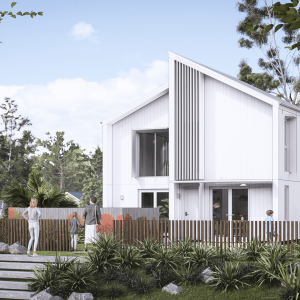
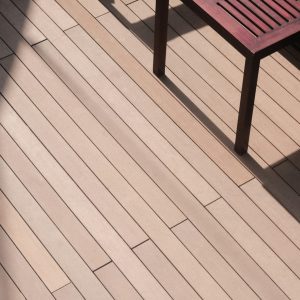
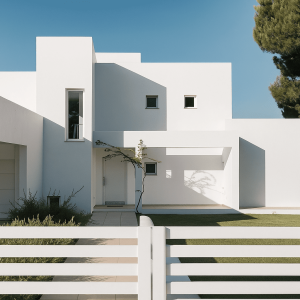
Timber has been used in construction for centuries, so no wonder it’s a popular cladding choice the world over for its timeless style and longevity (when properly cared for). But how do you know which timber cladding is best for your project? Choosing the right timber cladding type is important for several reasons – it defines the look and feel of your design and plays a major role in the safety and longevity of your building.
Timber is a traditional, high-quality cladding option which can be used in a variety of modern ways. It’s safe, durable and its weather resistance and thermal insulation properties stand the test of time. As a material, timber is natural, familiar, and lightweight (yet strong); and, as cladding, it’s easy to install, repair and replace, with no unwanted surprises. It’s also flexible in its usage, working equally well in both residential and commercial projects.
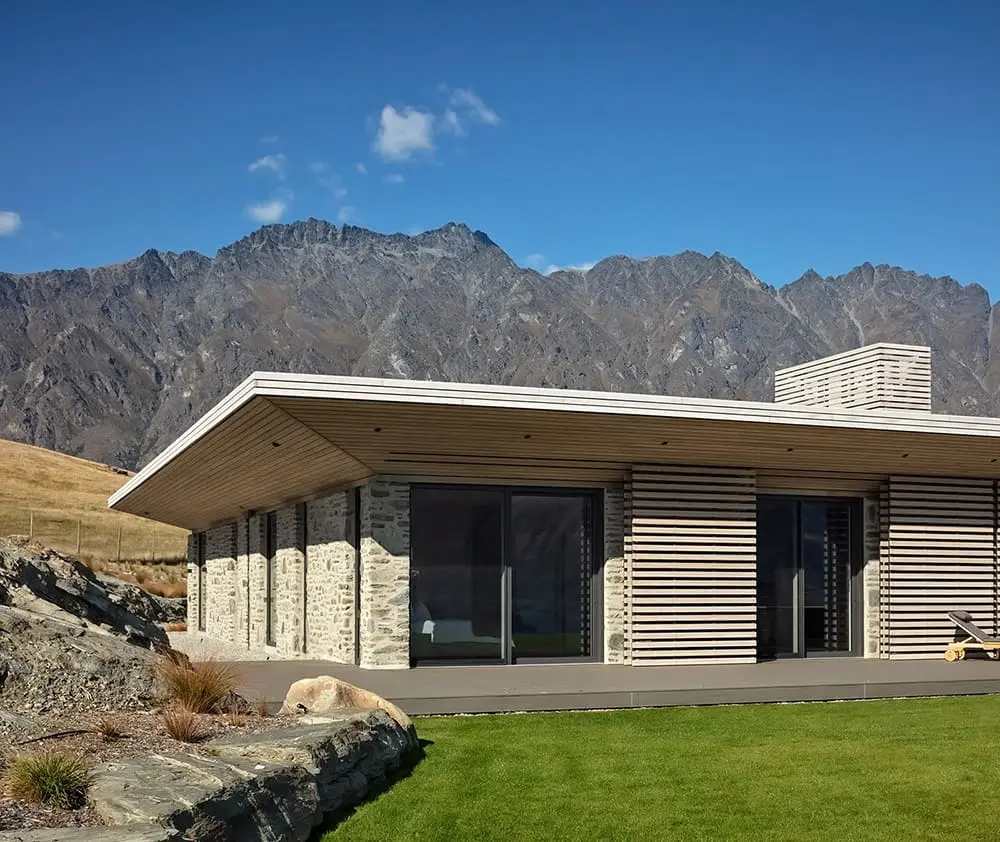
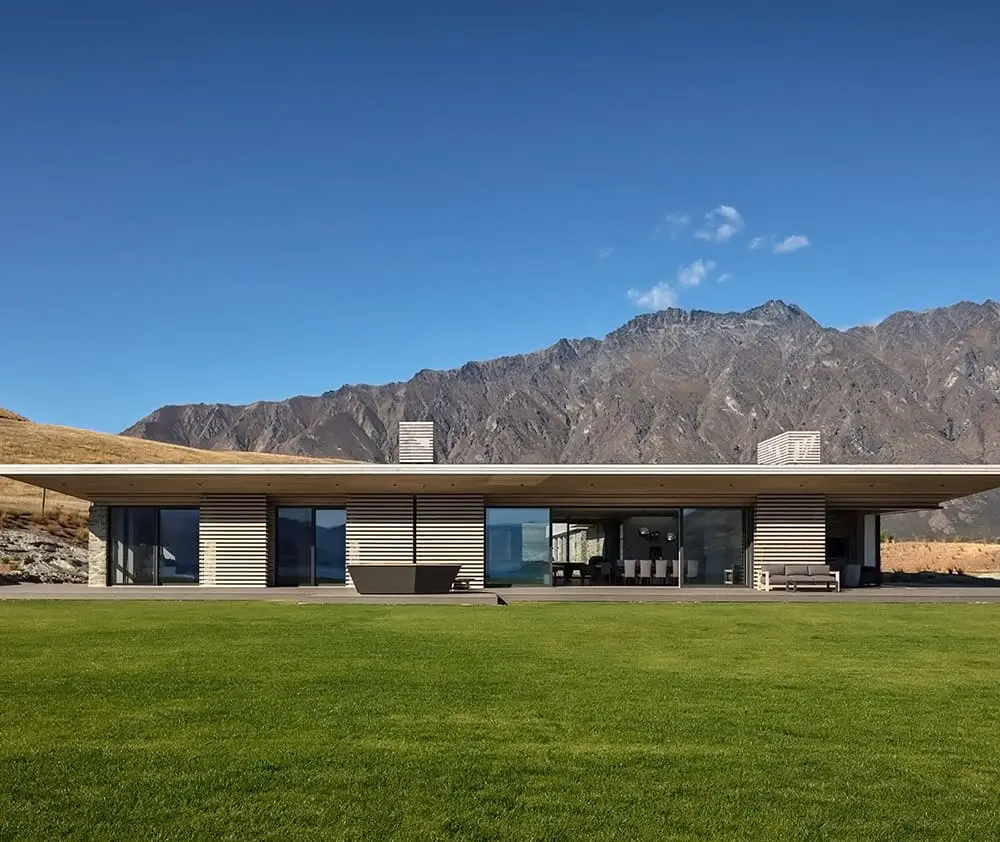
If sustainable options are your building priority, timber is a great choice, as wood production creates lower carbon emissions than brick and steel. Trees also absorb carbon as they grow, which means timber actually stores carbon during it’s lifetime, this in turn helps with global warming.
Thermally modified wood cladding is a great option. Thermal modification is a chemical-free process which enhances the appearance and durability of the timber board. By treating the timber with heat and steam, it makes it more resistant to rot and insect attack and requires less maintenance than other types of wooden cladding. Additionally, as chemicals are not used in the thermal modification process the timber does not need to be disposed of as a hazardous waste when it does eventually come to the end of its lifecycle. Instead, it can be repurposed or recycled for a new lease of life.
There are many different timber species for cladding, each with its own features – colour, hardness, strength, and resilience. Trust us when we say there’s a wood to suit all your needs and preferences. New Zealand weatherboard timbers include, but are not limited to, Larch, Cedar, Redwood, Macrocarpa, Lawson, Cypress, Oregon, Pine and modified timbers. Alternatively, imported timbers, such as Western Red Cedar and Siberian Larch can bring an alternative look to your project. Look for rapidly renewable plantation timber products with FSC certification, this ensures the product comes from a sustainable source and is not from ancient old growth forests.
Once you’ve chosen the species of timber cladding, there are many creative ways you can use it – you could combine different species or use various shades or colours to create an accent. You can lay the panels in a distinctive pattern or choose a unique finishing style, such as charred timber. You can also utilise the different profiles of the timber – from vertical shiplap or rusticated to classic bevel back weatherboards.
To enhance and protect your cladding, it’s important to apply a coating. The coating type will depend on the aesthetic you are wanting to achieve. Stain finish coating gives a natural appearance but will require recoating every 2-4 years depending on exposure to the weather. Paint finish will give a more uniform look with longer recoat period up to 8-10 years however is a less natural look as there is no grain showing through. Dark colours are more demanding on timber as they can create more surface heat that can cause the cladding to warp or crack. The good news is the range of looks you can achieve is virtually endless! It’s important to remember that timber is a natural material so it will age gradually over time, thanks to environmental factors, such as exposure to rain, wind and UV light from the sun.
As a result, timber requires regular maintenance to retain optimum performance for as long as possible. You can help slow the ageing process with regular painting and oiling of the surface, bearing in mind that the colour of your cladding may fade unevenly depending on its placement. Standard timber products need a maintenance check and wash down at least every year and fresh paint or oil periodically, while thermal modification can assist with the longevity of coatings including dark colours due its inherent stability.
To find a nearby NZCB builder to help you with your cladding selection or building project, use the Find A Builder search function on www.nzcb.nz
Banner image photography – Matt Westerman