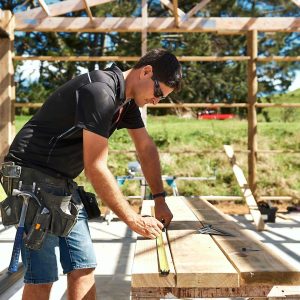
There comes a point for many builders when the idea starts to stick.
You’ve done the hard yards. You’re confident on the tools. You’ve managed sites, dealt with clients, and maybe even run jobs. Now you’re thinking, maybe it’s time to go out on your own.
If you’re wondering how to start a building business, you’re not alone. Every year, skilled builders make the shift from wages to self employment. Some thrive. Others struggle, not because they can’t build, but because running a building business is a completely different skillset from being on the tools.
If you’re considering backing yourself and going out on your own or starting up a building company, here’s what you need to think about before you take the leap.
Are you ready to go out on your own as a builder?
Being a skilled builder and being a business owner are two different things.
When you go out on your own as a builder, you’re no longer just responsible for the workmanship. You’re responsible for:
- Pricing jobs correctly
- Managing timelines and subcontractors
- Handling client expectations
- Staying on top of paperwork
- Keeping cashflow steady
You’ll need to be comfortable having honest conversations about money. You’ll need to follow up payments. You’ll need to make calls when projects don’t go to plan.
Ask yourself:
- Can I confidently explain my pricing to a client?
- Do I stay calm when something goes wrong on site?
- Am I organised enough to manage admin after hours if needed?
You don’t need to know everything on day one. But you do need to be realistic. The shift from builder to business owner is as much about mindset as it is about skill.
Sole Trader or Limited Company? Choosing the right structure
One of the first decisions when starting a building business in New Zealand is choosing your structure.
As a sole trader, you and the business are legally the same. It’s straightforward to set up and relatively low cost. Many builders start this way. However, you’re personally liable for debts and legal issues.
A limited company is a separate legal entity. It can offer more protection and may present a more professional image to clients and suppliers. There is more compliance involved, and usually higher accounting costs, but for many builders it’s a worthwhile step.
There’s no one-size-fits-all answer. The right structure depends on your goals, appetite for risk, and long term plans. Talking to an accountant early is a smart investment. Getting this decision right at the start can save significant stress later.
What do you need to start a building business?
You wouldn’t build without solid foundations. Your business is no different.
Before taking on work, make sure you’ve covered the basics:
- Register with Inland Revenue and understand your tax obligations
- Find out whether you need to register for GST
- Understand how ACC levies work for self-employed builders
- Set up a separate business bank account
- Put appropriate insurance in place, including public liability
- Use written contracts and clear terms of trade
It can be tempting to focus purely on getting jobs in the door and worry about the rest later. That approach often leads to problems.
Clear contracts protect both you and your client. Insurance protects your livelihood. Proper systems from day one make everything easier to keep track of when it comes to tax time, and allow you to grow as you get more established.
How to price jobs without undercutting yourself
One of the most common mistakes when starting out is underquoting.
You want to win the work. You know you can do a great job. So you trim your margin or forget to factor in overheads.
Then the pressure starts.
When pricing building jobs, you need to account for:
- Labour, including paying yourself properly
- Materials
- Subcontractors
- Plant and equipment
- Vehicle costs
- Insurance
- Accounting and admin time
- Time spent quoting
- A realistic profit margin
Margin is not greed. It’s what keeps your business sustainable. It allows you to cover unexpected costs, invest in better systems, and survive slower periods.
If you’re unsure how to quote building work accurately, seek advice early. Understanding your true costs is one of the strongest foundations you can build into your business.
Cashflow and accounting for builders
You can be profitable on paper and still run into trouble if cashflow is tight.
Cashflow problems catch many new sole traders and companies off guard. Typically, this happens when you need to pay invoices for your suppliers and subbies, but you don’t have enough cash to do so because your client hasn’t paid you yet.
There are some basic things you can do to minimise these problems:
- Require your clients to make progress payments throughout the project
- Think carefully about what deposits you’ll require before starting work
- Invoice promptly
- Follow up overdue accounts quickly and professionally
- Review your accounts monthly and address problems before they get out of hand.
Use accounting software rather than relying on memory or spreadsheets alone. Stay close to your numbers – knowing exactly what’s coming in and going out reduces stress and allows you to make informed decisions.
How to get building jobs without racing to the bottom
In the early stages, getting consistent work can feel like the biggest hurdle. It can be tempting to underquote what you think a job is worth, to make sure you get the work, but that rarely builds a strong business long term.
Instead, focus on building:
- Your reputation. Do what you say you’ll do. Show up on time. Deliver quality work.
- Relationships. Architects, designers, quantity surveyors and other trades can become valuable referral partners.
- Word of mouth. Happy clients are your most effective marketing tool.
- A professional online presence. A clear website and quality project photos help potential clients understand what you do and how you work.
Professionalism stands out. Clear communication, transparency and a proven track record of delivering quality work will often win more work than the cheapest quote, and will help you avoid getting into a financial hole.
Client relationships
When you’re starting out, your reputation is your brand. The easiest way to tarnish your reputation – and hence your chances of getting more work in future – is by getting a name for being unreliable or unprofessional.
Obviously you want to build your reputation through your work but you need to focus on the soft skills of client management as well by:
- Recording variations in writing
- Setting expectations around timelines and costs
- Communicating early if something changes
- Being upfront about challenges
Clear documentation and honest conversations protect both you and your client. They also demonstrate that you take your responsibilities seriously.
In a small industry, reputation travels quickly. Make sure yours reflects the standards you’re proud of.
Think beyond the first year
The first year of running your own building business is often about survival and momentum. But don’t lose sight of the bigger picture.
Ask yourself:
- Do I want to stay on the tools full-time long term? If not, when would I like to get off them?
- Do I plan to hire apprentices or trade-qualified staff?
- What type of projects do I want to be known for?
Growth brings new challenges. Managing staff, training apprentices and building systems require planning and patience.
Equally, success should not come at the cost of burnout. Long hours and constant pressure can take their toll. A sustainable building business supports your life, rather than consuming it.
Surround yourself with the right support
Starting out on your own doesn’t mean doing it alone. Being part of a professional community can make a real difference, especially in the early years of business.
New Zealand Certified Builders Association provides practical tools that support you from day one, including industry recognised contracts and agreements designed specifically for residential building work. Access to the Halo 10-Year Residential Guarantee can also give clients added confidence, helping you stand out in a competitive market.
Beyond that, ongoing learning and upskilling opportunities help you stay sharp as building standards and business requirements evolve. And just as valuable is connection. Joining a network of more than 2,800 like minded builders across New Zealand means you’re part of a community that values quality, professionalism and lifting standards across the industry.
Backing yourself the right way
Going out on your own takes courage. Moving from wages to self employment always carries risk.
But with solid preparation, strong systems, and a commitment to professionalism, it can also be one of the most rewarding steps in your career.
New Zealand needs skilled, qualified builders who take pride not only in their workmanship, but in how they run their businesses. The builders who succeed long term are not always the flashiest. They are the ones who price properly, communicate clearly, and build trust project after project.
If you’re thinking about starting a building business, take the time to set it up right. Invest in advice. Put strong foundations in place. Treat your business with the same care you give your builds.
Because in the end, you’re not just building houses. You’re building your own future.