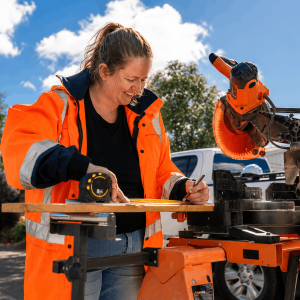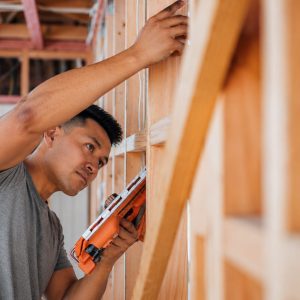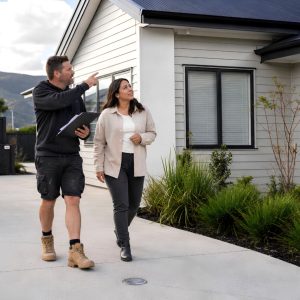
Whether you’re buying your first home, investing in a property or planning a renovation, a building inspection is one of the smartest steps you can take. It provides an independent assessment of a home’s condition, helping you understand what’s working well, what may need attention and whether there are any hidden issues that could lead to costly repairs.
While every property has its quirks, there are certain issues that building inspectors regularly come across. The good news is that many of them can be repaired or managed when they’re identified early. Knowing what to look for can help you make informed decisions and save you from nasty surprises down the track.
1. Cladding and Weathertightness Issues
One of the most common issues found during a building inspection is weathertightness. A home’s cladding is designed to keep wind and rain out, but damaged materials, deteriorated sealants or poorly installed flashing can allow moisture to enter the building envelope.
Water ingress can remain hidden for years before becoming obvious, leading to mould, timber decay and, in more serious cases, structural damage. Homes built between the late 1980s and early 2000s are particularly well known for weathertightness problems, although newer homes can also be affected if products haven’t been installed correctly or maintenance has been neglected. Read our guide on home maintenance for tips on how to tackle the small jobs before they become big ones.
Not every issue requires extensive remediation. In many cases, identifying the problem early allows targeted repairs before more significant damage occurs. If your inspection uncovers weathertightness concerns, a Certified Builder can assess the cause and recommend the most appropriate solution.
2. Foundation Movement
A home’s foundations naturally move over time, but excessive settlement can indicate a larger structural issue. In New Zealand, foundation movement is commonly linked to changing soil conditions, poor drainage and seismic activity.
The signs are often subtle at first. Cracks in walls or ceilings, uneven floors, or doors and windows that suddenly become difficult to open can all point to movement beneath the home. While some properties simply require ongoing monitoring, others may need drainage improvements, engineering advice or structural repairs.
A building inspection helps identify these warning signs early, giving buyers a clearer understanding of the property’s condition before they commit.
3. Poor Ventilation and Subfloor Moisture
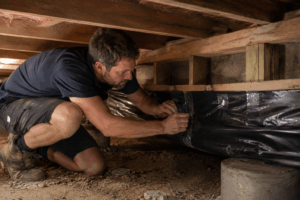
Damp homes remain a common challenge throughout New Zealand, particularly in older properties. Poor ventilation and excess moisture beneath a house can contribute to condensation, mould, unpleasant odours and timber decay, while also affecting the health and comfort of the people living inside.
Moisture issues are often caused by poor drainage, plumbing leaks, blocked vents or missing ground vapour barriers. Fortunately, they’re usually manageable when identified early. Improving airflow, repairing leaks and addressing drainage problems can make a significant difference to both the home’s performance and indoor environment.
If moisture has already caused damage, a Certified Builder can help identify the underlying cause and recommend repairs that address both the symptoms and the source of the problem.
4. Roofing Defects
Your roof works hard to protect your home from New Zealand’s weather, making it one of the first areas inspectors pay close attention to.
Common issues include damaged roofing materials, rust, deteriorated flashing, blocked gutters and storm damage. Even relatively minor defects can allow water into the home, leading to damaged insulation, mould growth and expensive structural repairs if they’re left unresolved.
Keeping your roof well maintained and addressing repairs promptly is one of the simplest ways to protect your home and avoid larger costs down the track.
5. Outdated Electrical Systems
Older homes often contain electrical systems that no longer meet modern standards. Ageing wiring, overloaded switchboards and previous DIY alterations can all create potential safety risks and may require attention.
While a building inspector can identify visible signs of concern, electrical work should always be assessed by a licensed electrician. Knowing about these issues before purchasing a property gives buyers a better understanding of any future upgrade costs and helps avoid unexpected surprises after settlement.
6. Plumbing and Drainage Issues
Water should only be where it’s intended to be. Leaking pipes, damaged drains and poor stormwater management are regularly identified during building inspections and can cause significant damage if left untreated.
Over time, ongoing leaks can contribute to mould, timber rot and even foundation movement. Fortunately, many plumbing issues are relatively straightforward to repair when they’re identified early, making a building inspection a worthwhile investment for any prospective buyer.
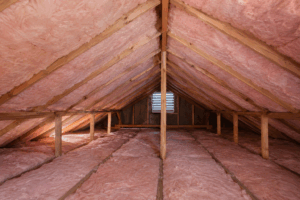
7. Insulation That Isn’t Performing
Insulation plays an important role in keeping homes warm, dry and energy efficient, yet it’s not uncommon for inspections to uncover missing, damaged or poorly installed insulation.
Inadequate insulation can make a home colder during winter, hotter in summer and more prone to condensation, while also increasing energy costs. In many homes, ceiling and underfloor insulation can be upgraded without major disruption, improving both comfort and efficiency. Grants of 50%-90% off insulation and up to 90% off heating are available through Warmer Kiwi Homes for eligible households. Check to see if you’re eligible.
8. Timber Decay and Borer
Timber is one of the most durable building materials available, but prolonged exposure to moisture or borer infestation can weaken its strength over time.
Inspectors commonly assess framing, subfloors, weatherboards and roof structures for signs of decay or insect damage. The earlier these issues are discovered, the more likely repairs can be limited to replacing affected timber rather than undertaking larger structural work.
Addressing the source of any moisture is equally important to help prevent the problem from returning.
9. Retaining Wall Problems
If a property is built on a sloping site, retaining walls are an important part of keeping the surrounding land stable. Over time, poor drainage, ageing materials and ground movement can all affect their performance.
A failing retaining wall can create safety risks and, in some cases, impact nearby structures, driveways or even the home’s foundations. Depending on the cause, repairs may be relatively straightforward or require engineering input and reconstruction.
If retaining wall issues are identified during an inspection, a Certified Builder can help coordinate the right repair approach.
10. Missing Building Consents
Not every issue uncovered during a building inspection relates to the physical condition of the home. Missing building consents or Code Compliance Certificates are also common, particularly where renovations or additions have been completed over the years.
Unconsented work can affect insurance, financing and future resale, so it’s important to confirm that major alterations have been properly approved and signed off. A building inspection can help highlight areas that may require further investigation before you proceed with a purchase.

Protect Your Investment
No home is perfect, but a professional building inspection gives you the knowledge to make informed decisions and plan for any maintenance or repairs with confidence. Identifying issues early with a professional often means they’re simpler and less expensive to fix, helping you avoid bigger problems in the future.
When repairs or renovation work are needed, choosing the right builder is just as important as identifying the issue. A Certified Builder has met strict membership standards and is committed to quality workmanship, giving homeowners confidence that repairs will be completed to a high standard.
If you’re planning a new home or major renovation, many NZCB members can also offer the Halo 10-Year Residential Guarantee, providing additional peace of mind long after construction is complete.
Whether you’ve just received a building inspection report or you’re planning work on your home, use the Find a Builder search on the NZCB website to connect with a trusted NZ Certified Builder in your area.