Learn how Homestar improves comfort, efficiency, and health, and how NZCB Studio’s Homestar Ready plans make building a high performing home easier.
When building a new home, many New Zealanders are looking beyond the minimum requirements of the Building Code and thinking more carefully about how their home will perform long term. Comfort, energy efficiency, running costs, and indoor health are becoming increasingly important considerations for homeowners wanting a home that not only looks good, but also feels good to live in every day.
One of the best-known ways to measure this performance is through the Homestar rating system. Developed by the New Zealand Green Building Council (NZGBC), Homestar provides an independent framework for assessing the health, efficiency, and sustainability of homes across New Zealand.
A 6 Homestar rating represents a home that performs significantly better than the minimum standard required by the New Zealand Building Code. In practical terms, that can mean a warmer, drier, healthier home with lower energy bills and improved year-round comfort.
What is the Homestar rating system?
Homestar assesses homes on a scale from 6 to 10 stars, with 6 Homestar considered the entry point for a decent home. The rating looks at how a house is designed and built, evaluating the features that directly affect comfort, efficiency, and environmental impact.
Rather than focusing on one single aspect, Homestar takes a whole-of-home approach. It considers how the home will perform day to day, from temperature control and ventilation through to water use, material selection, and waste reduction.
The goal is simple: to encourage better quality homes that support healthier living while reducing environmental impact and long-term operating costs.
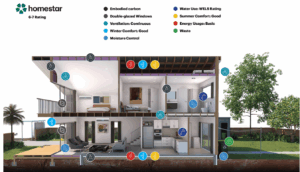
Key areas Homestar assesses
Energy, health, and comfort
One of the biggest focuses of Homestar is creating homes that are comfortable to live in throughout the year. Homes with poor insulation or inadequate ventilation can often feel cold and damp in winter; while overheating during summer months can also become an issue.
Homestar encourages better thermal performance through features such as effective insulation, improved airtightness, quality glazing, and well-designed heating and ventilation systems. Energy efficient lighting and appliances also contribute to the overall rating.
These elements work together to create more stable indoor temperatures, improve air quality, and reduce moisture issues, all of which contribute to a healthier home environment.
Water efficiency
Water conservation is another important part of the Homestar framework. Points are awarded for features that help reduce household water consumption, including rainwater harvesting systems and water efficient taps or showerheads.
Higher rated homes may also incorporate greywater recycling systems and other water-saving technologies that help reduce pressure on local infrastructure lower utility costs and improve resilience.
Waste reduction and sustainable living
Homestar also considers how waste is managed both during construction and throughout the life of the home. Builders can gain points and reduce build costs by reducing construction waste.
Materials and indoor air quality
The materials used inside a home can have a significant impact on indoor health. Homestar rewards the use of eco-labelled and lower toxicity materials, including low volatile organic compound (VOC) paints and finishes that help improve indoor air quality.
This is particularly important in modern homes, where improved airtightness means indoor pollutants can become trapped if materials and ventilation systems are not carefully considered.
Site design and innovation
Homes that work well with their natural surroundings can also gain additional points. Features such as native planting, fruit trees, vegetable gardens, and sustainable landscaping all contribute to a home’s environmental performance.
Homestar also allows for innovation points where homes include features that go beyond standard practice, such as electric vehicle charging capability or advanced energy saving technology.
Homestar vs the New Zealand Building Code
The New Zealand Building Code sets the minimum legal standard for residential construction. While this usually ensures homes are structurally sound, minimum compliance does not always guarantee year-round comfort or energy performance.
Homes built only to the minimum standard can still experience issues such as poor thermal performance, dampness, overheating, and higher ongoing energy costs.
Homestar encourages designers and builders to think about performance much earlier in the design process. By considering insulation, orientation, glazing, shading, and ventilation from the beginning, homes can often achieve significantly better performance in a practical and cost-effective way.
The result is typically a home that is warmer, healthier, more energy efficient, and cheaper to run over time.
Can existing homes get a Homestar rating?
Homestar was primarily developed for new builds. It’s often very early decisions about size, shape and amount of glazing that will lock in the performance of a home. These can be harder to change in existing homes.
However, the Homestar modelling tool and design guide are useful for helping with all the decisions during a renovation. Improvements such as better insulation, upgraded glazing, improved ventilation, and moisture management can all make a noticeable difference to the comfort and efficiency of existing homes.
Experienced NZCB builders can help homeowners identify practical ways to improve the performance of an existing property.
Homestar Ready homes through NZCB Studio
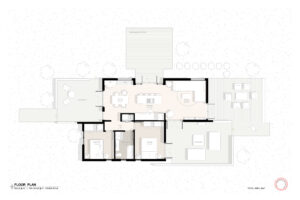
To help make good homes more accessible, NZCB Studio now offers Homestar Ready house plans developed in collaboration with Designgroup Stapleton Elliott.
These architect-designed homes provide a streamlined pathway for homeowners wanting to build a healthier, more energy efficient home without starting the design process from scratch.
The plans are designed to meet key 6 Homestar performance criteria. Because the designs are pre-developed and consent ready, homeowners may also be able to move from planning to construction much faster, potentially in as little as eight weeks.
For many families, this offers a practical and cost-effective way to access quality architectural design with performance already built into the plans.
Healthier homes and long-term savings
Building a high performing home is not only about sustainability. It can also deliver meaningful long-term financial benefits.
Research into Homestar rated homes shows that improved energy efficiency and thermal performance can help reduce running costs over time, particularly through lower heating and energy use. Some homeowners may also benefit from financial incentives or improved lending conditions when building more sustainable homes.

Building better with an NZCB builder
A well-designed home is only part of the equation. Achieving strong performance outcomes also relies on quality workmanship and attention to detail during construction.
Choosing an NZCB builder means working with trade-qualified professionals committed to delivering quality homes built to a high standard.
By combining an NZCB Studio Homestar Ready design with an NZCB builder, homeowners can have confidence that their home is designed and built with comfort, durability, sustainability, and long-term performance in mind.